Process Timeline
5-7 Years
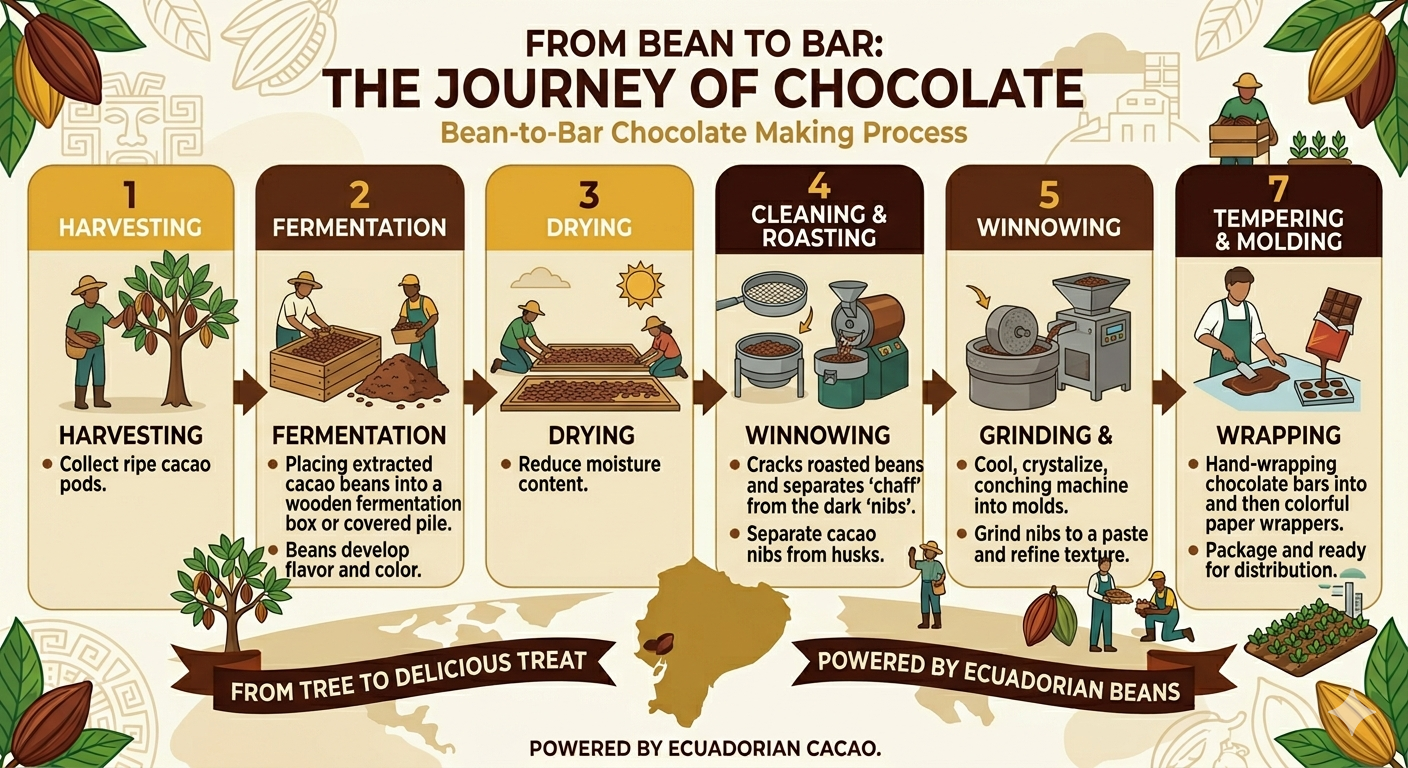
Planting and Growing
Cacao trees can only be grown in specific environmental conditions, soils, and around other vegetation. The trees may live up to a hundred years, but it varies based on the variety of tree.
5-7 Years
Time varies
Harvesting
Harvesting occurs when the cacao pods are produced. They may be green, yellow, orange, red or a deep purple, ranging from 6-12 inches. On average, each pod contains 20-60 beans.
5-7 Days
Fermentation
Freshly harvested cacao beans are removed from their pods and placed in shallow boxes or piles to ferment, where natural yeasts and bacteria break down the sugary pulp surrounding the beans. This fermentation triggers chemical changes inside the beans, reducing bitterness and creating aroma compounds.
5-7 Days
8-10 Days
Drying
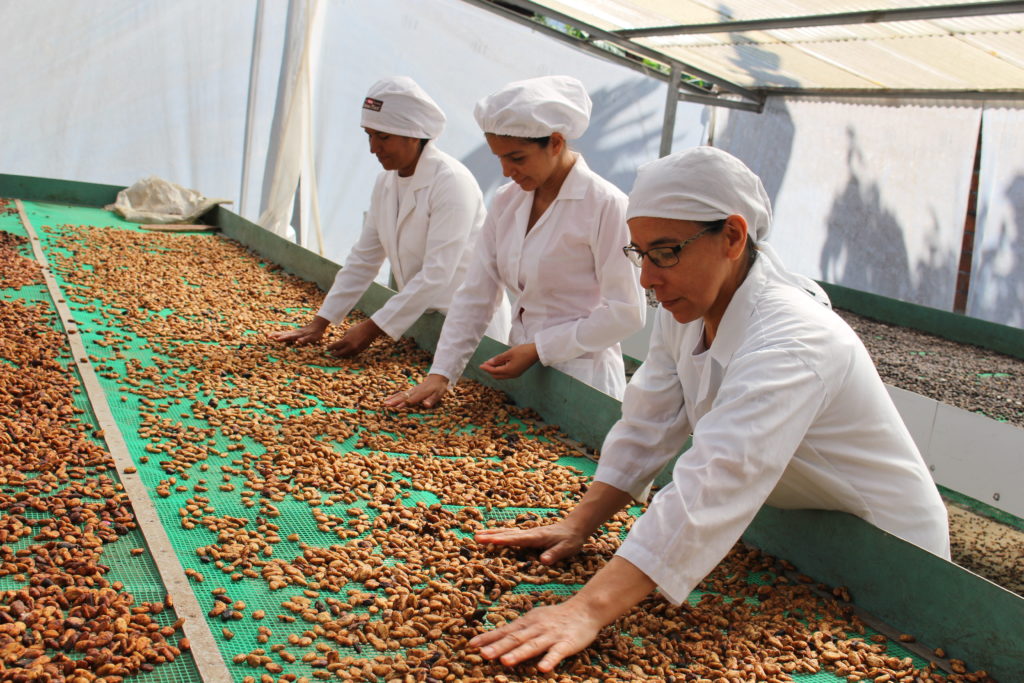
The drying process consists of spreading out the beans into thin layers on drying racks or patios, where they are turned to ensure even moisture loss and prevent mold growth. Sunlight and airflow gradually reduce the beans’ moisture content, which helps stabilize flavor and prepare them for storage and transport.
30min - 2hours
Roasting and Winnowing
During roasting, cacao beans are heated at controlled temperatures to further develop flavor, reduce acidity, and loosen the outer shells. After roasting, the beans are cracked and passed through winnowing machines, which separate the edible cacao nibs from the papery husks
30min - 2hours
12-72 hours
Grinding and Refining
During grinding, roasted cacao nibs are crushed into a thick paste called chocolate liquor, as heat and friction release the cocoa butter within the beans. This paste is then refined to reduce particle size, creating a smoother texture and more consistent mouthfeel.
6-48 hours
Conching
During conching, the chocolate is continuously mixed, aerated, and gently heated to further develop flavor and smooth out texture. This process helps remove unwanted volatile acids and moisture while evenly distributing cocoa butter throughout the chocolate
6-48 hours
A couple hours
Tempering and Molding
During tempering, chocolate is carefully heated and cooled in specific stages to stabilize the cocoa butter crystals, giving the finished product a glossy appearance and firm snap. Once properly tempered, the chocolate is poured into molds and gently tapped to remove air bubbles before being left to set
What is Bean-to-Bar?
A “bean-to-bar” chocolate producer is a company or artisan that controls every step of chocolate making, beginning with sourcing raw cacao beans and ending with the finished chocolate bar, rather than purchasing pre-made chocolate from large industrial suppliers. This approach emphasizes transparency, craftsmanship, and quality, as producers carefully select cacao origins, often working directly with farmers to ensure ethical practices and superior flavor.
In the chocolate world, bean-to-bar production has become significant because it challenges mass production by highlighting cacao as an agricultural product with distinct regional flavors—similar to coffee or wine—thereby elevating consumer appreciation for origin, sustainability, and fair trade.
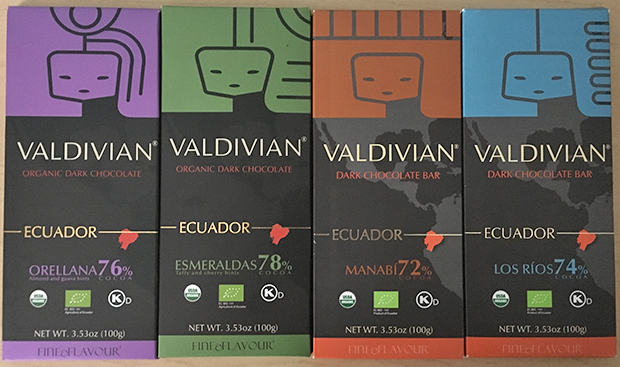
In Ecuador, one of the world’s leading producers of fine aroma cacao, bean-to-bar practices are especially important because they allow local farmers and producers to capture more value from their crops, rather than exporting raw beans at lower prices. By producing finished chocolate domestically, Ecuador strengthens its economy, preserves traditional cacao varieties like Nacional, and promotes its cultural identity on the global stage.
Globally, Ecuador’s growing reputation in the bean-to-bar movement has increased demand for its high-quality cacao, encouraged more sustainable farming practices, and positioned the country as a key player in the premium chocolate market, ultimately contributing to economic development and greater recognition of its agricultural heritage.