How To Consume Cacao
Learn the proper technique to consuming cacao for the best tasting experience
Pro Tip!
Pro Tip
Savor your chocolate tasting experience by choosing an appropriate environment. Try sitting in a quiet room, avoiding strong smeels, and cleansing your pallate in between tastings.
Choosing a high-quality bar increases the tasting experience. It's recommended to have 70% cacao or higher for the ideal balance of flavor.
Flavors of Ecuador Cacao
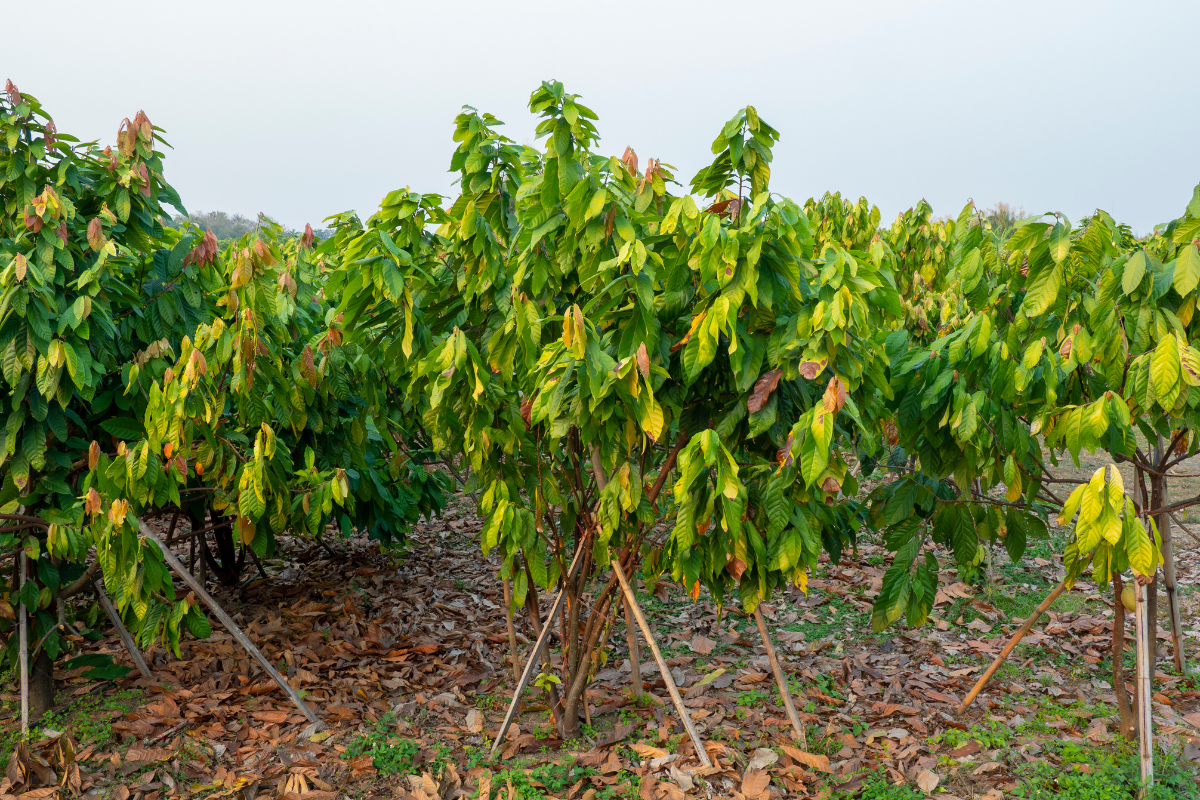
The coastal region of Ecuador produces the majority of the country’s cacao, accounting for roughly 70–80% of total production, particularly in provinces like Guayas, Manabi Los Ríos. This area is best known for cultivating Nacional (Arriba) cacao trees, along with some CCN-51 hybrids, both of which thrive in the region’s warm, humid climate and fertile soils.
Cacao from the coast typically features fruity and nutty flavor notes, often with hints of banana, tropical fruit, and a mild natural sweetness, balanced by light acidity. What makes this cacao unique is its smooth, approachable profile combined with subtle floral undertones, especially in Nacional varieties, making it highly desirable for fine flavor chocolate while still being accessible to a wide range of tastes.
Cacao grown in the Andean foothills of Ecuador represents a smaller portion of national production (around 10–20%), but it is highly valued for its quality and complexity. This region primarily cultivates Nacional (Arriba) cacao, often grown at slightly higher elevations where cooler temperatures and varied terrain influence flavor development.
Cacao from this region is known for its floral and citrus-forward flavor profile, with notes of jasmine, rose, orange, and lemon, often accompanied by a brighter acidity. What makes Andean cacao unique is its aromatic complexity and layered taste, offering a more refined and delicate experience compared to the richer, more straightforward flavors of the coastal region.
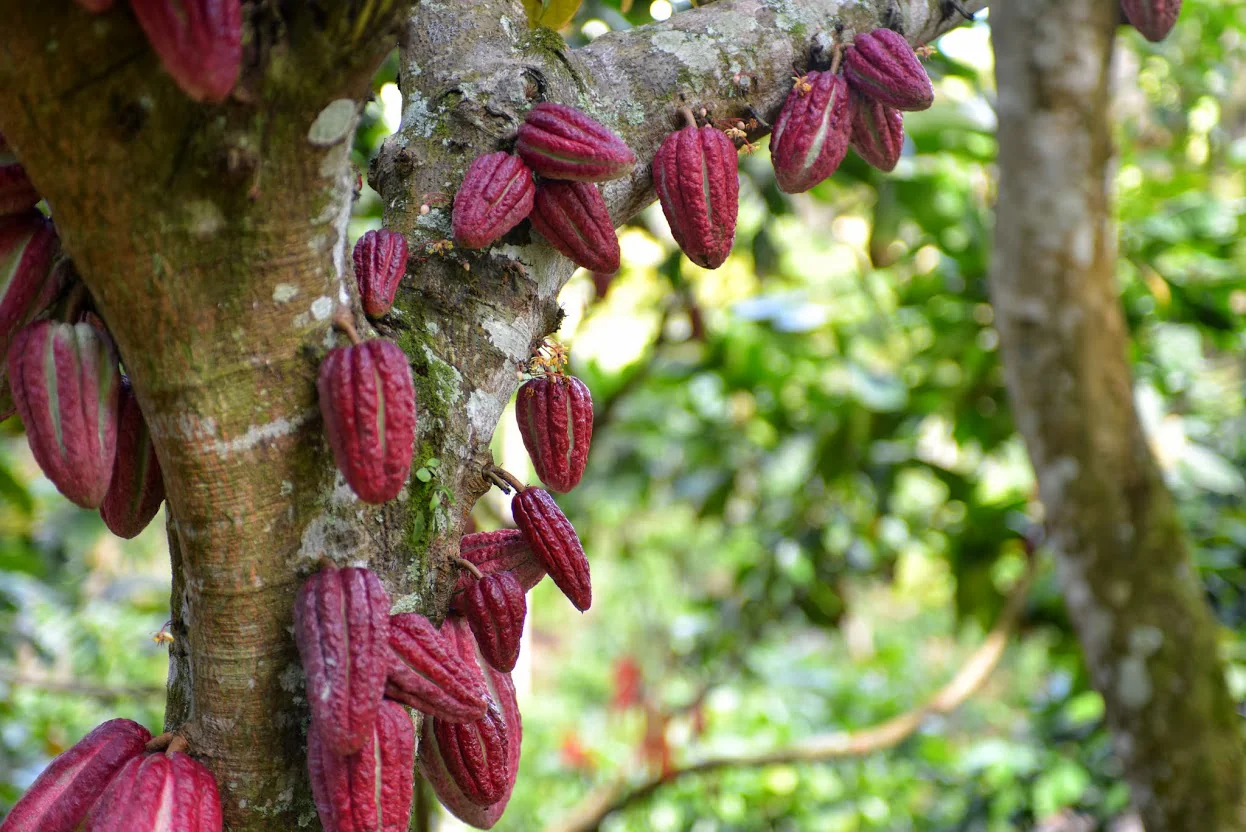
Cacao from Ecuador’s Amazon region accounts for a smaller share of national production (roughly 5–10%), but it is increasingly valued for its distinctive and bold flavor characteristics. This region grows a mix of Nacional cacao and native Amazonian varieties, along with some hybrids, all of which benefit from the rainforest’s rich biodiversity, high humidity, and nutrient-dense soils.
Amazonian cacao is known for its deep, earthy flavor profile, often featuring notes of wood, spice, and intense chocolate richness, with a more pronounced bitterness and lower perceived sweetness. What makes this cacao unique is its intensity and depth, offering a more robust and less delicate flavor experience compared to coastal and Andean cacao
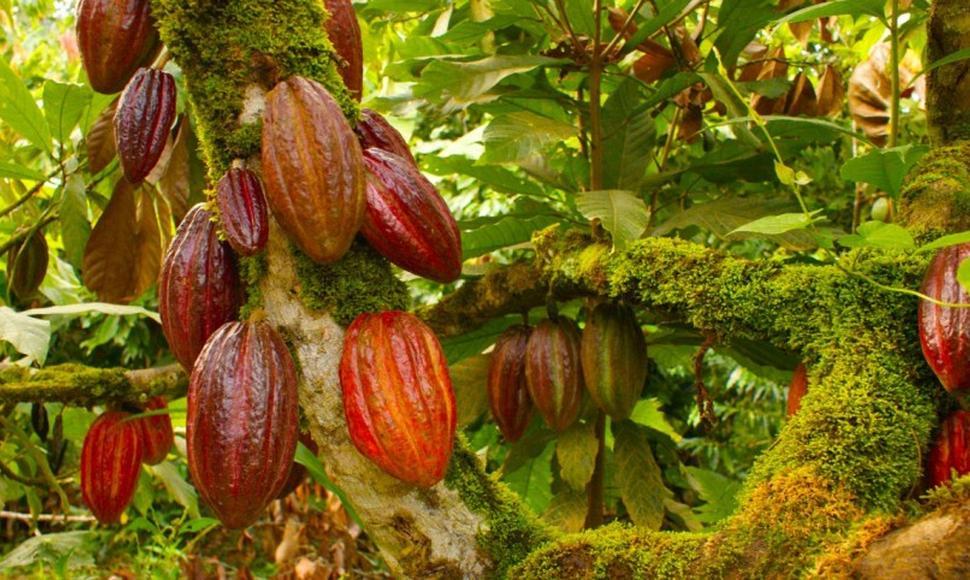
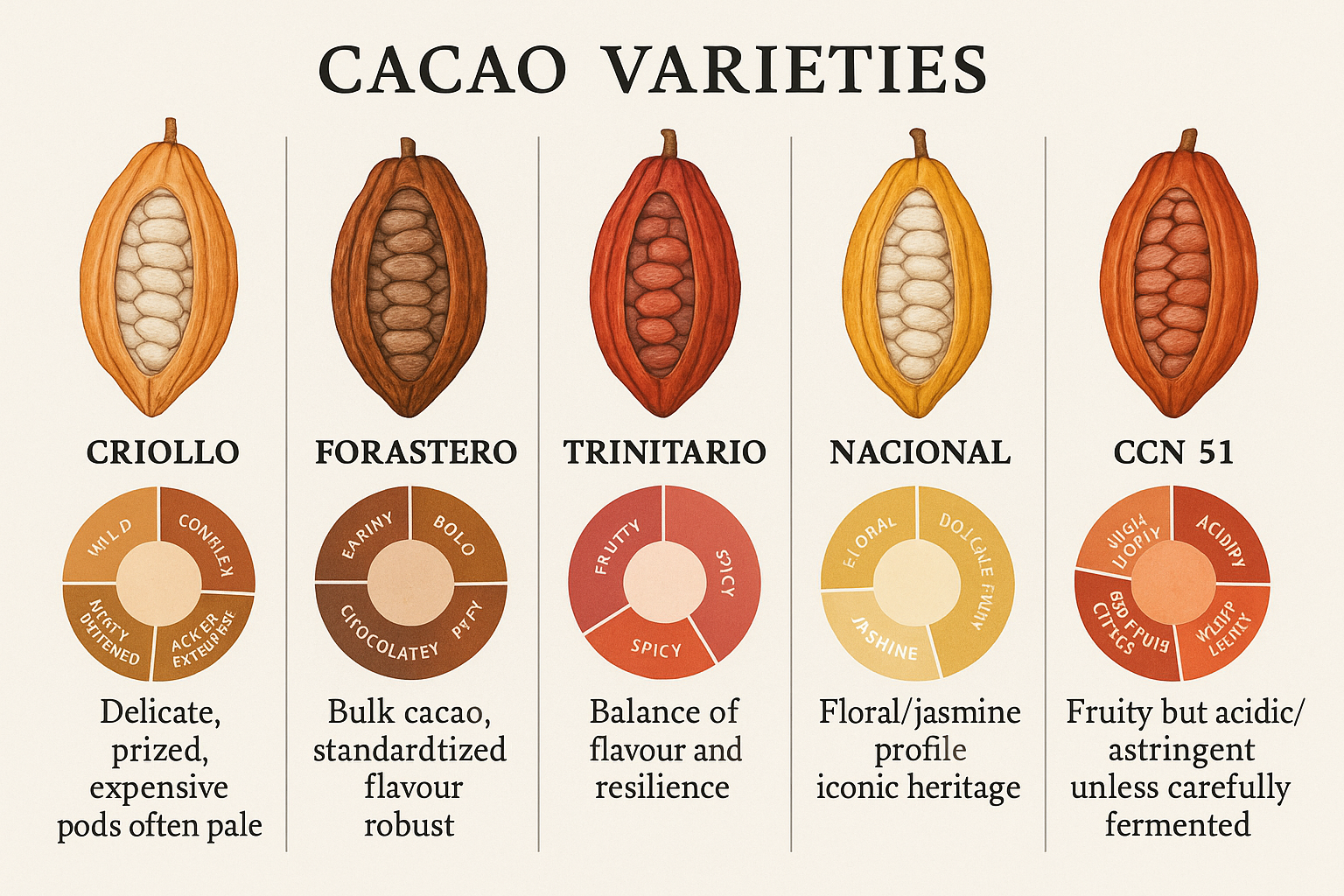
Nacional, also known as Fino De Aroma, is Ecuador’s most iconic cacao variety and makes up a significant portion of the country’s fine flavor cacao production, primarily grown in coastal regions but also found in other parts of the country. It is a native heirloom variety, prized for its unique genetic profile and long history in Ecuadorian cacao cultivation.
Nacional cacao is best known for its distinct floral aroma, often described as jasmine or orange blossom, combined with fruity undertones such as banana and citrus, and a smooth, mild bitterness. What makes this cacao truly unique is its “fine aroma” classification, meaning it delivers a rare balance of fragrance, flavor complexity, and smoothness that sets it apart from bulk cacao varieties
Coastal region (Costa): Farmers grow a mix of Nacional (Arriba), known for its floral and fruity flavor, and CCN-51, a high-yield hybrid valued for its disease resistance and productivity.
Andean region (Sierra): Farmers prioritize Nacional cacao almost exclusively, allowing for more refined and complex flavor development due to cooler temperatures and slower maturation.
Amazon region (Oriente): Native Amazonian cacao varieties such as Criollo and Trinitario, along with some Nacional and limited hybrids, are grown in biodiverse, often traditional agroforestry systems.
Common Pairings
Drink Pairings
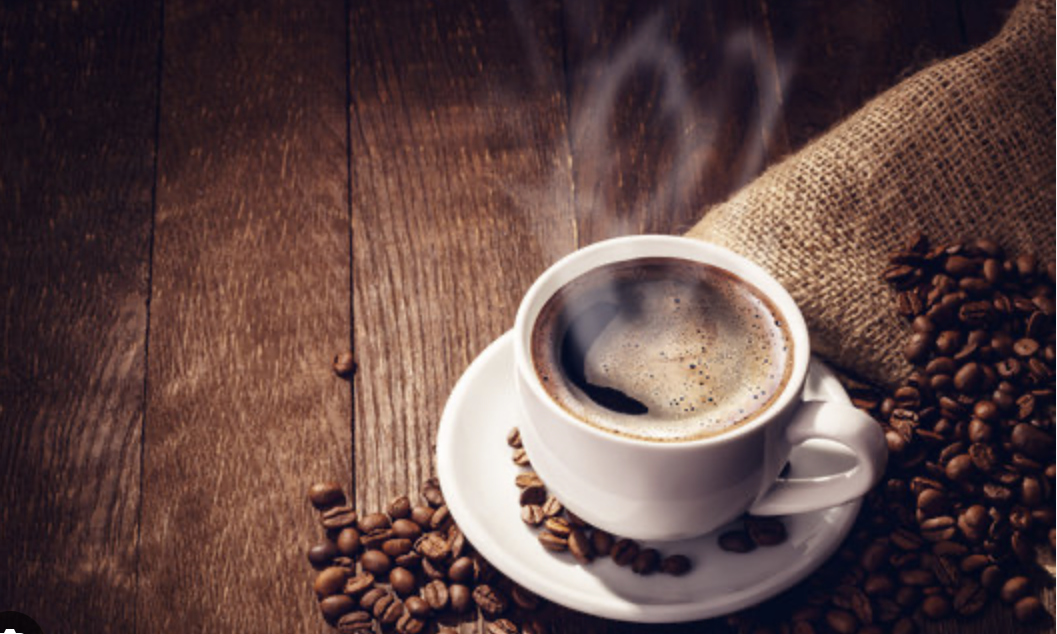
Coffee, espresso's or dark roasts, enhances the bitter notes in dark chocolate. It can help highlight the cacao's flavors, giving it a longer finish. It serves as a complementary flavor because they are often grown in similar climates.
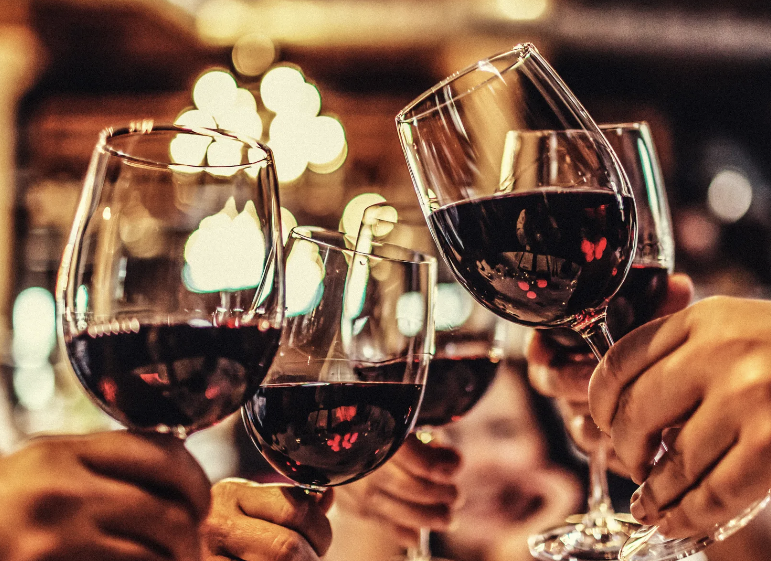
Wine is best paired when it is as sweet or sweeter than the chocolate or else it may taste sour. The fruitiness of the wine can balance the bitterness of the chocolate and showcase hidden flavors within the cacao. This can create an aromatic experience for ones palate.
Whiskey and chocolate both have intense and complex flavors. While whiskey has either sweeter, smokier, or spicier finishes (depending on the kind), cacao grounds these flavors with richness and bitterness. Whiskey can create a dynamic tasting experience by pulling out hidden notes within the cacao.

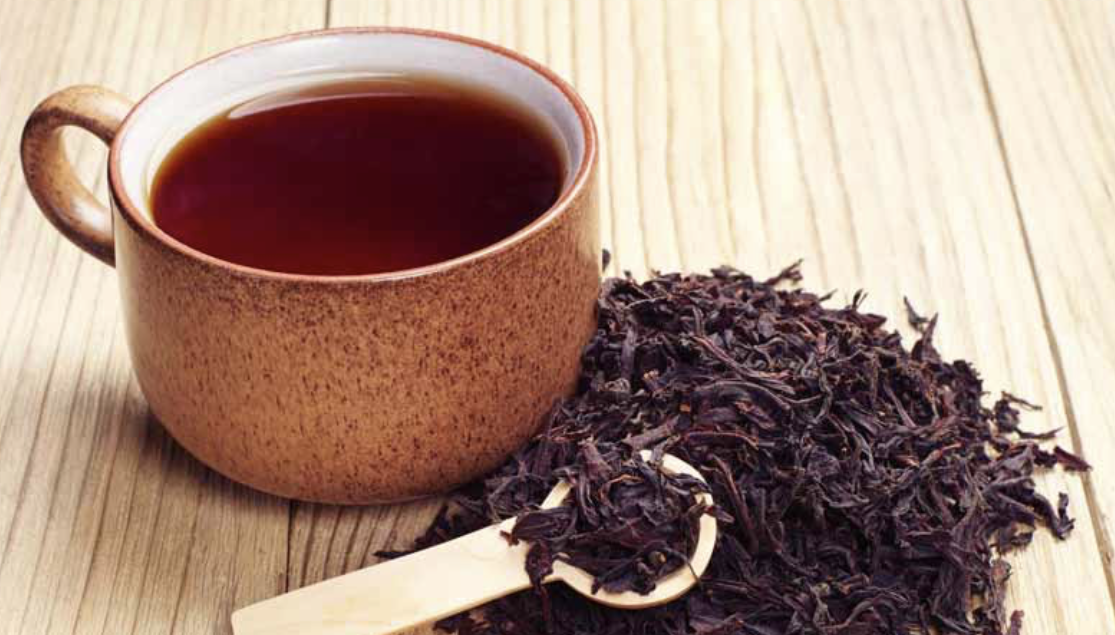
Black tea is commonly used to clean the palate. The tea's gentle and lighter notes highlight the delicate side of the cacao without overpowering it.
Food Pairings
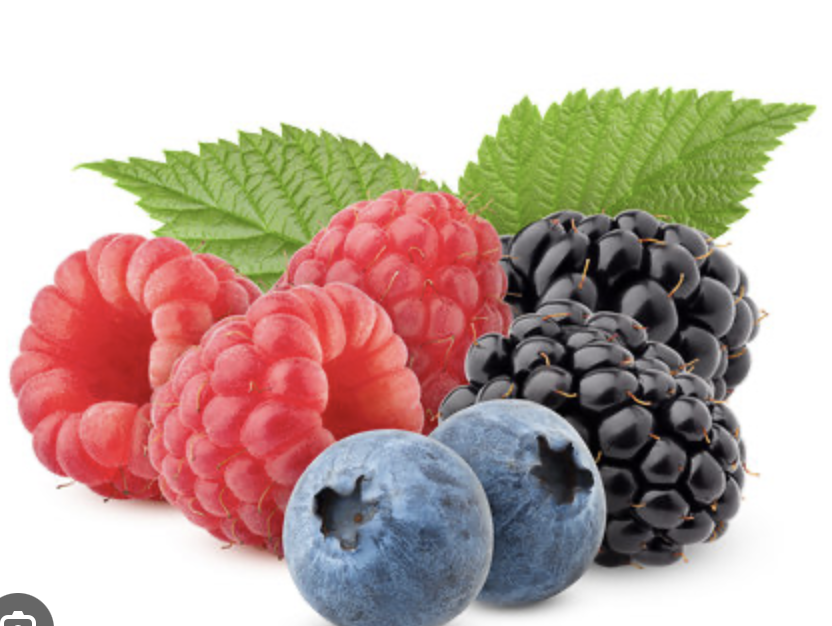
Berries match the same flavors in cacao, amplifying the flavor. The berry's acidity can cut through the richness in the chocolate as well as creating a texture contrast.
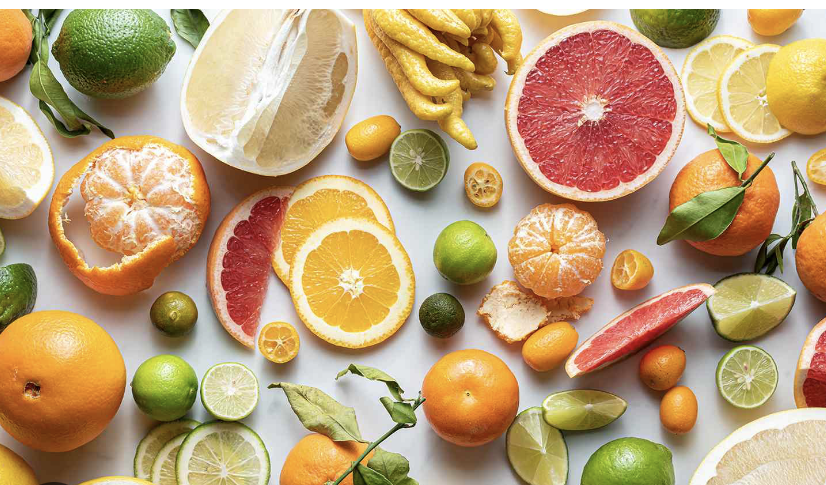
Citrus pairs with cacao because its natural acidity enhances and brightens the cacao's rich, complex flavor profile. The furity and floral notes found of the some cacao harmonize with citrus to create a more balanced tasting experience. The contrasting sweet, bitter, and tangy layers make for a refershing and memorable experience.
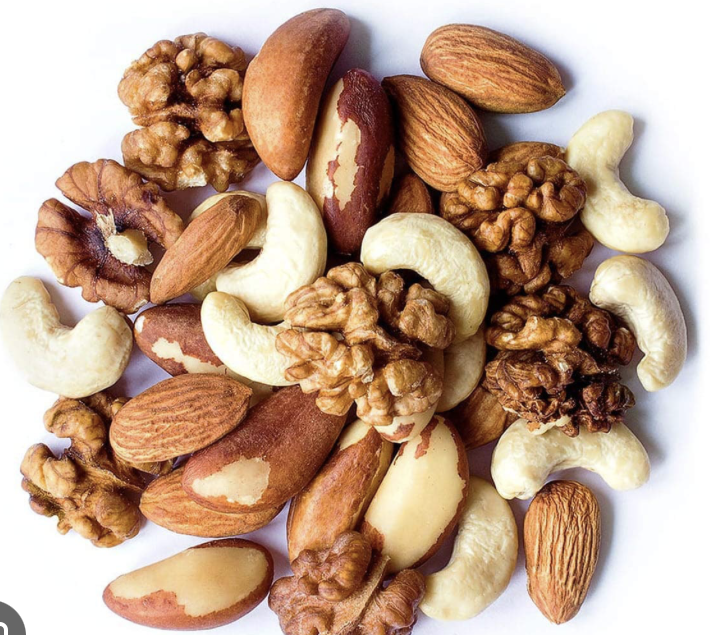
Nuts pair with chocolate because of the flavor balance. The richness from nuts, paired with their warm roasted flavors, complement chocolates bitterness. Nuts also serve as a textural contrast with their crunchy nature.
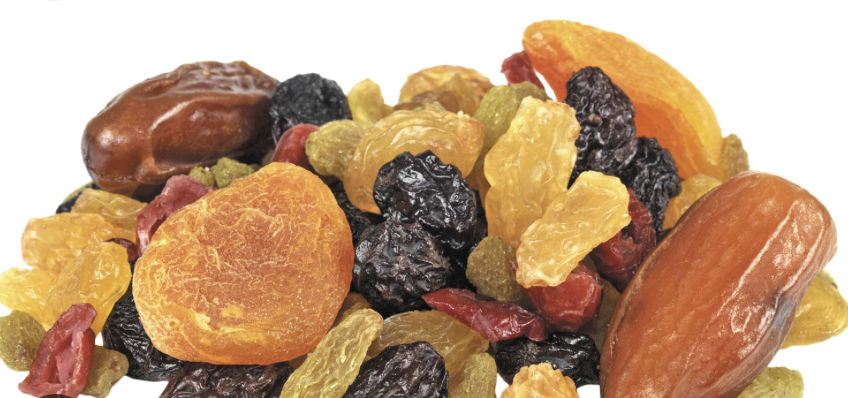
Dried fruits, commonly raisins, figs, or apricots, highlight the sweetness within cacao. Both share similar fruity and floral notes with the dried fruits allowing for a more balanced bite without overpowering the complex layers of the cacao.
Unique Pairings
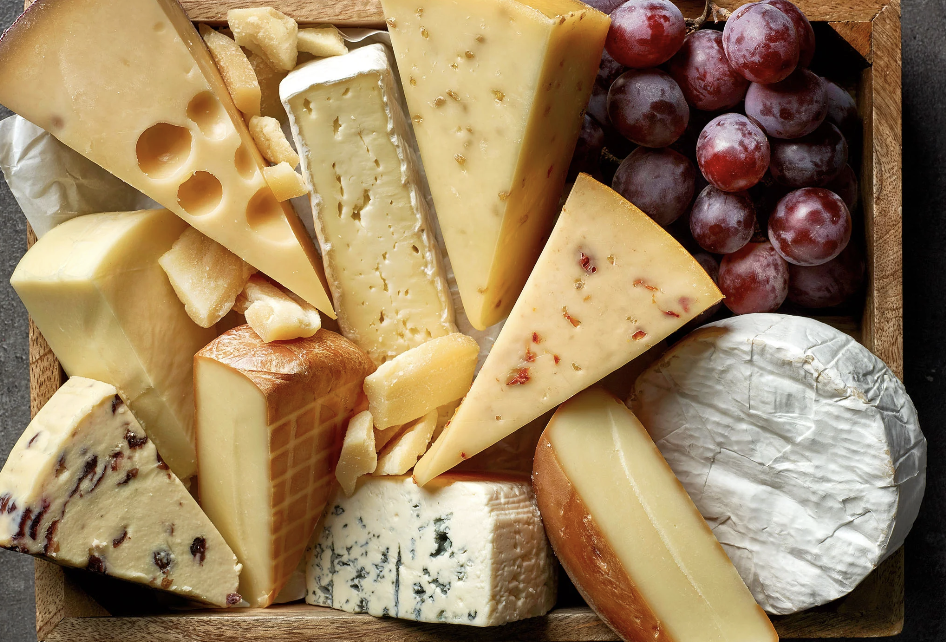
Cheese pairs well with chocolate for a number of reasons. To start, cheese is rich in creaminess. This coats the palate, reduces the bitterness in the cacao, and results in a more rounded flavor experience. Additionally, cheese may add a depth, salty contrast, or (depending on the age of cheese) a tanginess to create a more layered tasting experience.
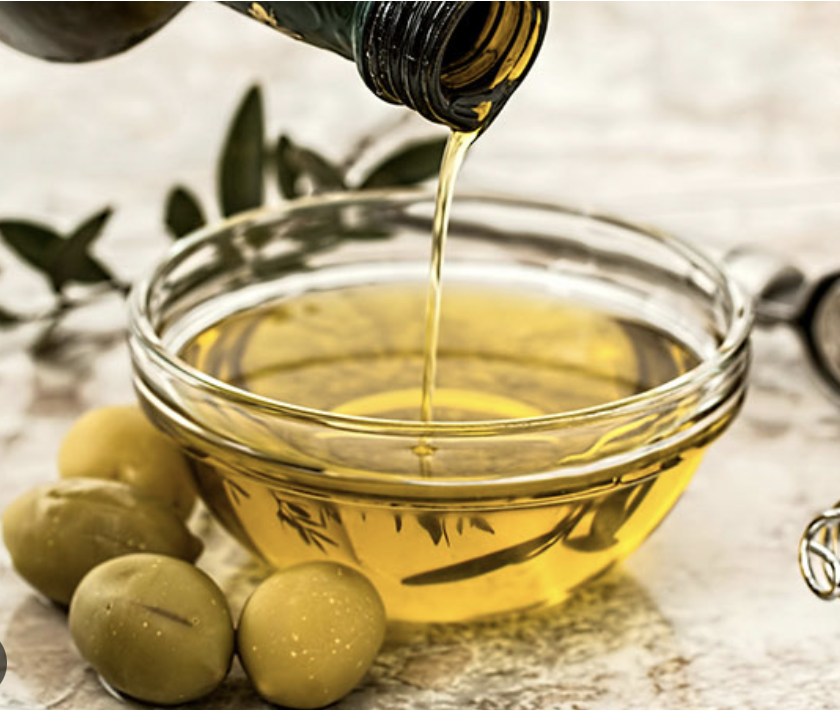
Olive oil is able to balance, enhance, and carry the flavor of cacao. It reduces the harshness of cacao and provides a rounder and silkier taste. Olive oil also has floral, herbal, or peppery notes which blend and amplify the notes in the cacao.
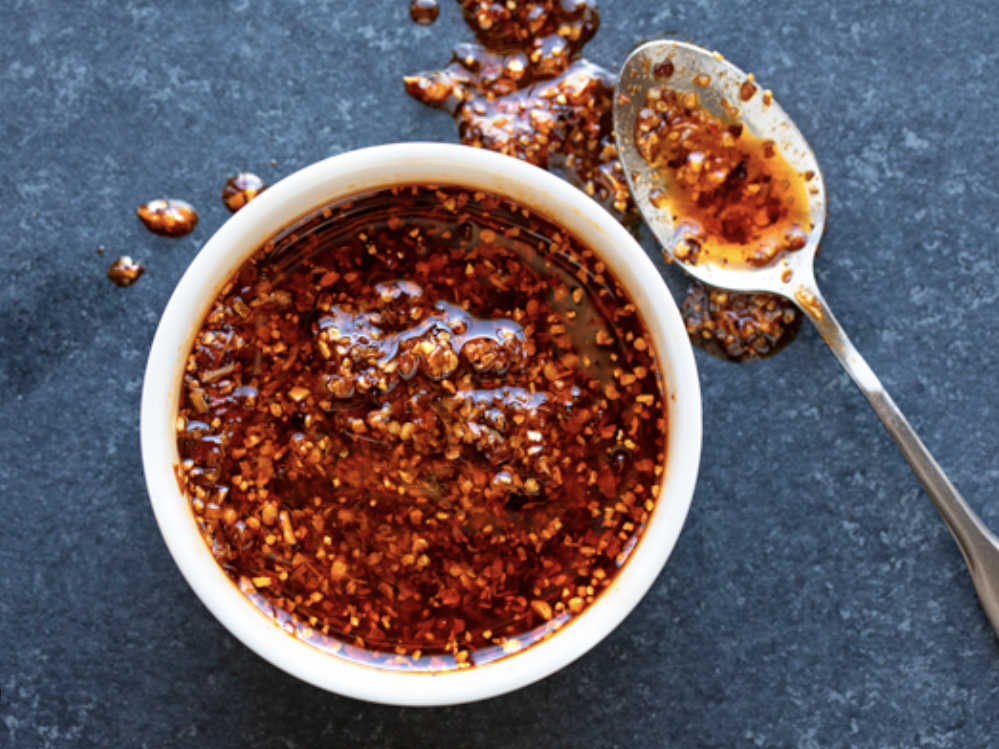
Chili works with chocolate because it creates a controlled contrast. The heat from the chilis stimulate ones taste receptors. This allows the flavors of the cacao to feel stronger and more vivid, intensifying the experience. The sweetness in the chocolate manages the heat from the chilli, and the heat cuts through the richness, balancing the flavors rather then overwhelming them.
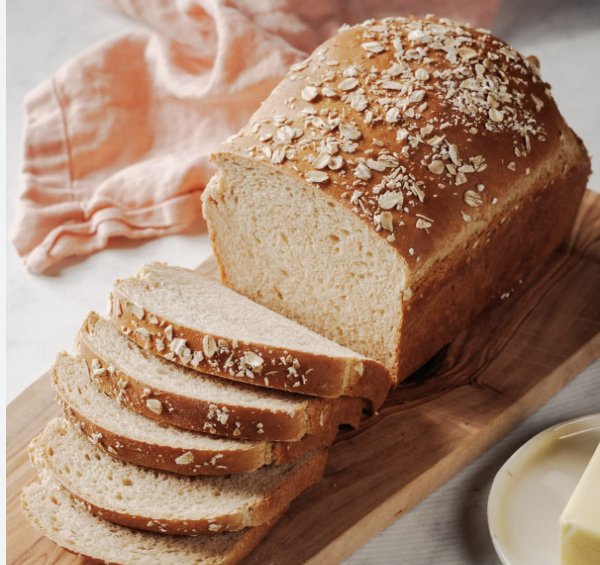
Bread works with chocolate to provide a neutral base that showcases the layers in the cacao. It acts as a blank canvas as well as an enhanced textural contrast.
Common Mistakes!
Avoid these common consumption mistakes that may prevent one from experiencing the full tasting experience!
Temperature
Cold temperatures can dull the cacao's aroma and mute the subtle flavors that define fine flavor chocolate. One may also find that the texture becomes firm and prevents it from melting smoothly, limiting how the flavors develop on the palate.
Sugar
Strongly sweet snacks or drinks (like soda, sugary desserts, coffee drinks) can overpower cacao’s delicate flavors. Too much sugar masks those nuances instead of complementing them.
Speed of Consumption
Fine flavor cacao is meant to be experienced slowly, but many people eat it like regular candy. Chewing and swallowing too fast prevents one from tasting the layers of flavor (especially the more subtle ones).
Gallery